ReSAT CanSat flight electronics and energy recovery system.
ReSAT won 1st place in Poland out of 110 teams. My work focused on electronics, integration, production, budget and sponsor communication, while also helping coordinate engineering work across the team.
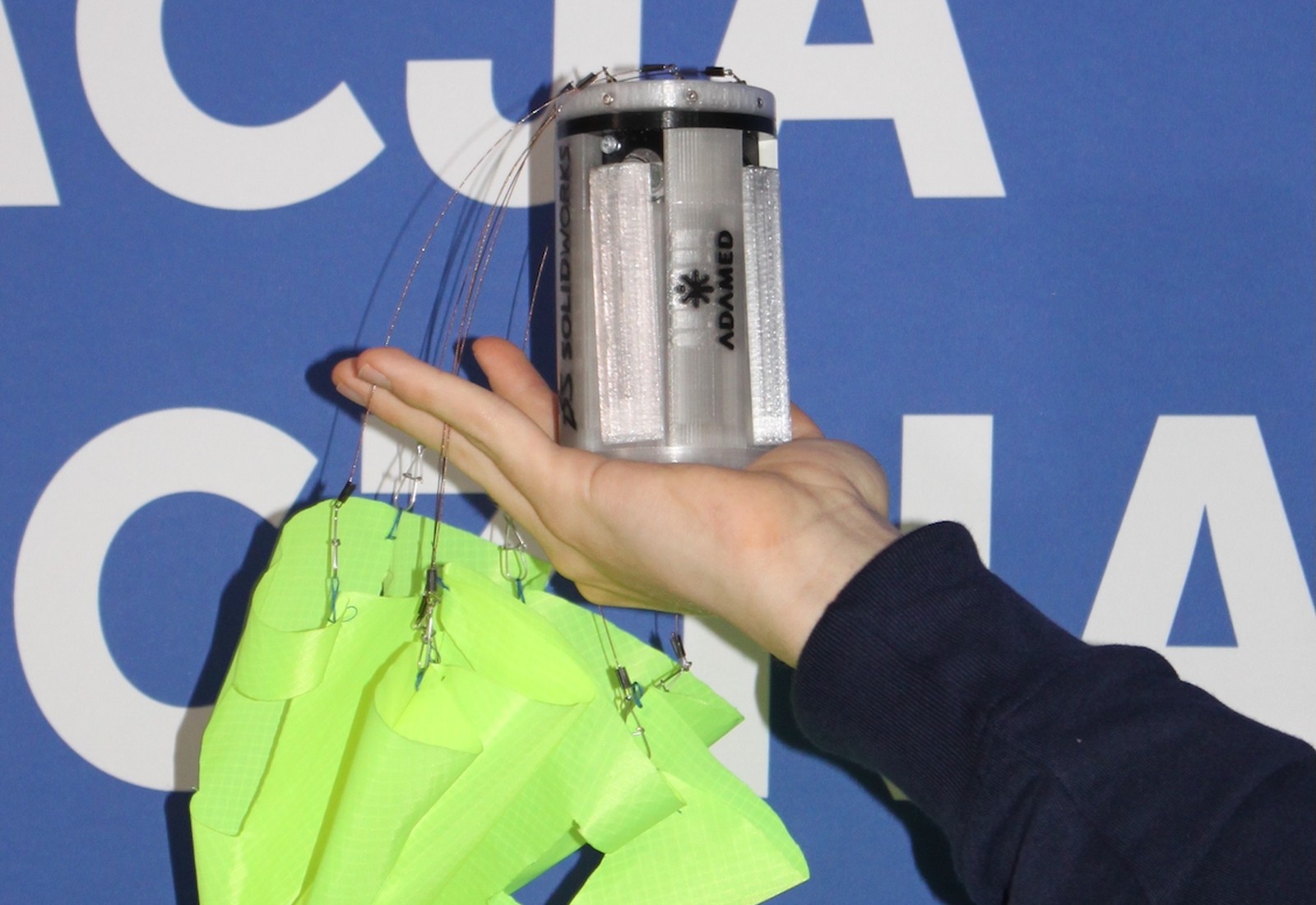
Mission architecture.
The device measured atmospheric and flight data, saved it on a micro-SD card, transmitted selected telemetry to the ground station via LoRa and tested a secondary mission based on recovering energy from a rotating recovery system.
The recovery concept used a rotafoil parachute and foldable blades to create rotation during descent.
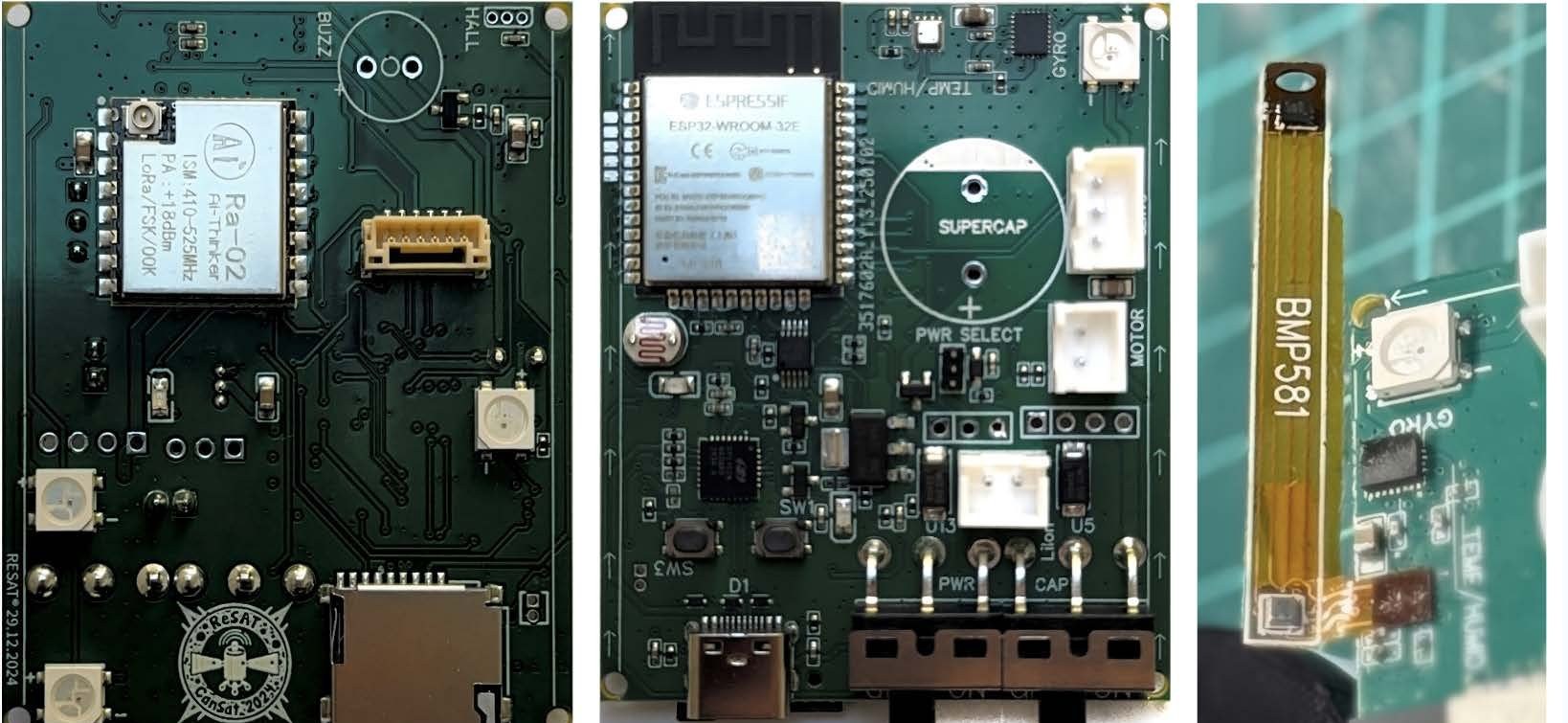
Electronics stack.
The onboard electronics used an ESP32-WROOM-32E, Pololu 4941 5 V regulator, AMS1117 3.3 V regulation, LoRa Ra-02 radio, GPS PA1010D, BMP581 pressure sensor, TMP117 temperature sensor, LSM9DS1 IMU, ADS1115 analog-to-digital converter, GL5516 photoresistor, Hall sensor and micro-SD logging.
The low-power mode collected essential mission data before descent, while normal mode added energy harvesting and angular-speed measurements.
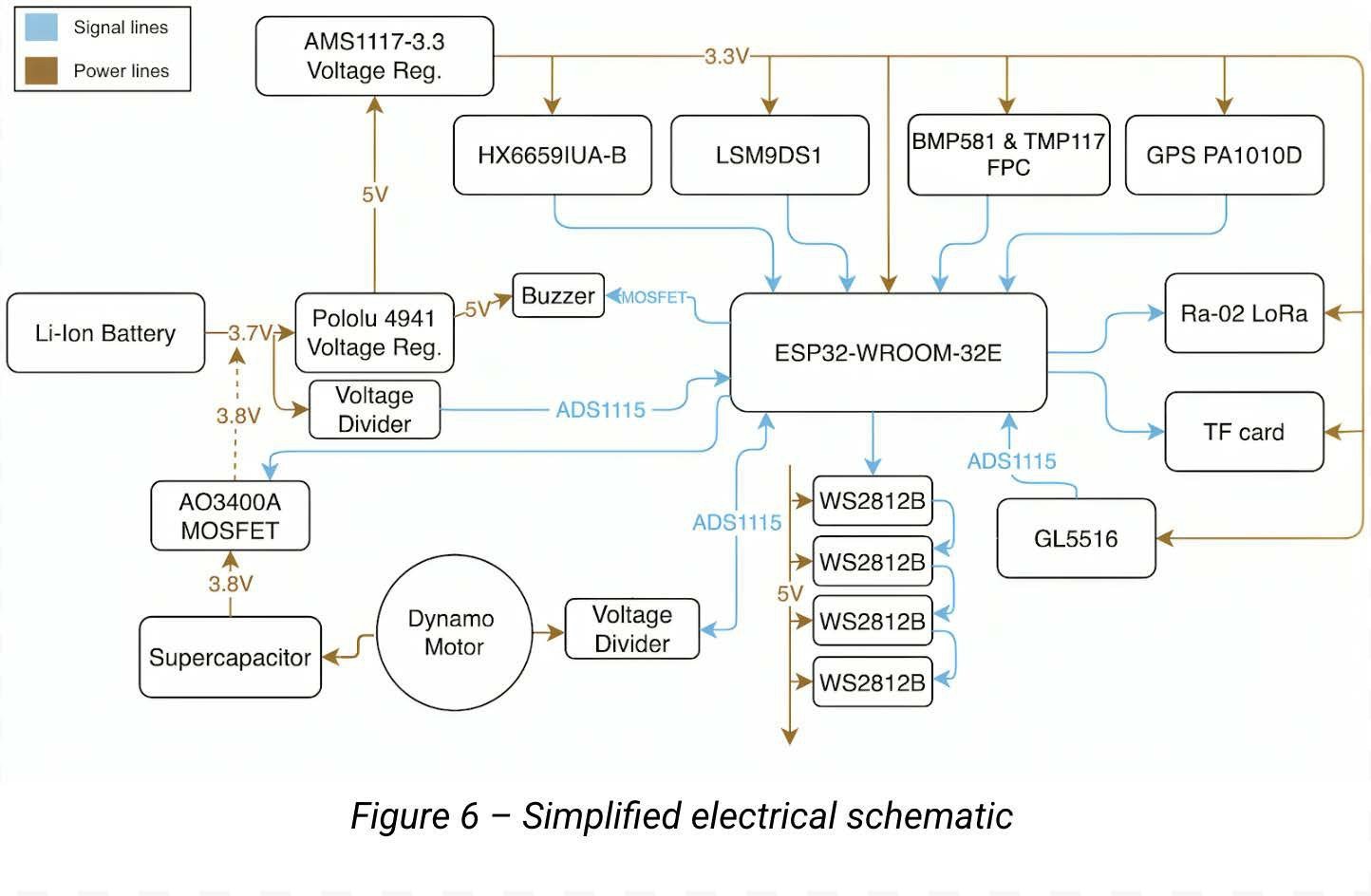
Flight computer integration.
The design integrated digital sensors, analog measurement channels, battery sensing, motor voltage measurement and radio communication. The system balanced power, size and reliability: only the necessary data was transmitted live, while larger packets were saved to the SD card.
- Estimated SD data package: around 120 B.
- Estimated LoRa packet size: around 85 B.
- 2 GB micro-SD storage was more than enough for the mission estimate.
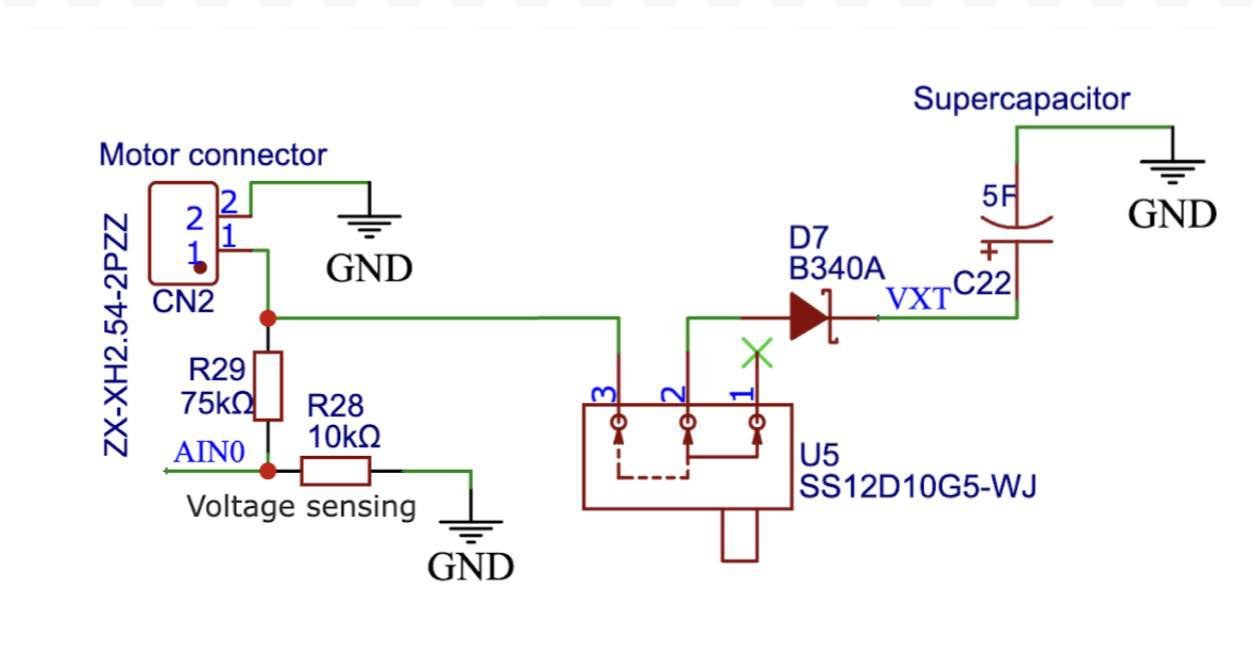
Energy regeneration.
The secondary mission aimed to recover energy during descent. The team analysed capacitor choice using an RC-circuit model and later tested voltage generation from the rotating system.
The final design moved towards direct capacitor charging from the motor to reduce losses.
Test data and engineering validation.
These figures from the FDR show how the sensor stack and recovery system were validated through measured data rather than assumptions.
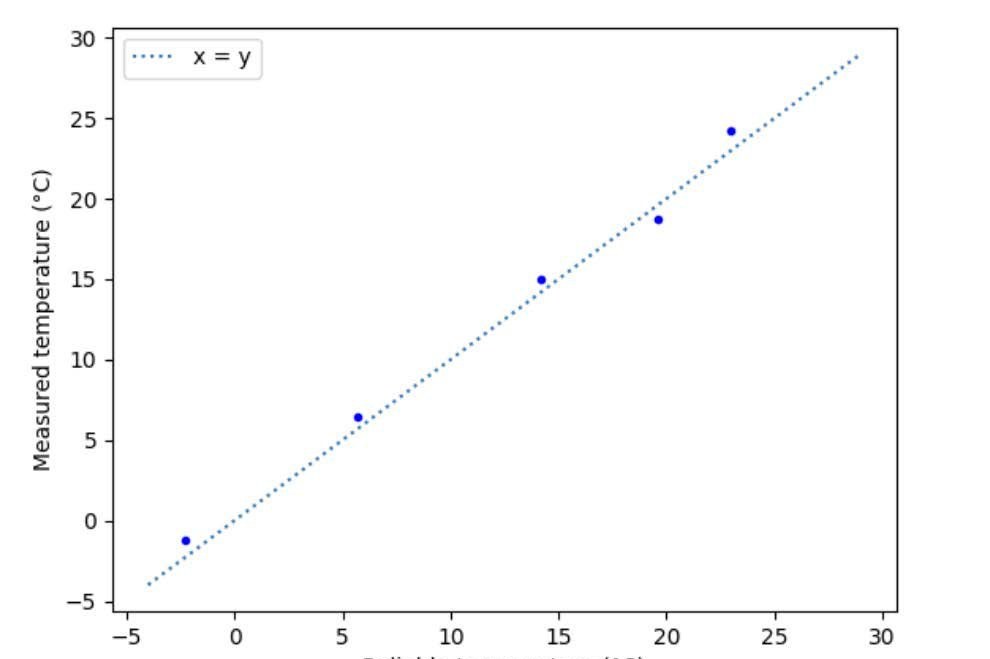
TMP117 readings were compared against a reference thermometer to confirm primary mission accuracy.
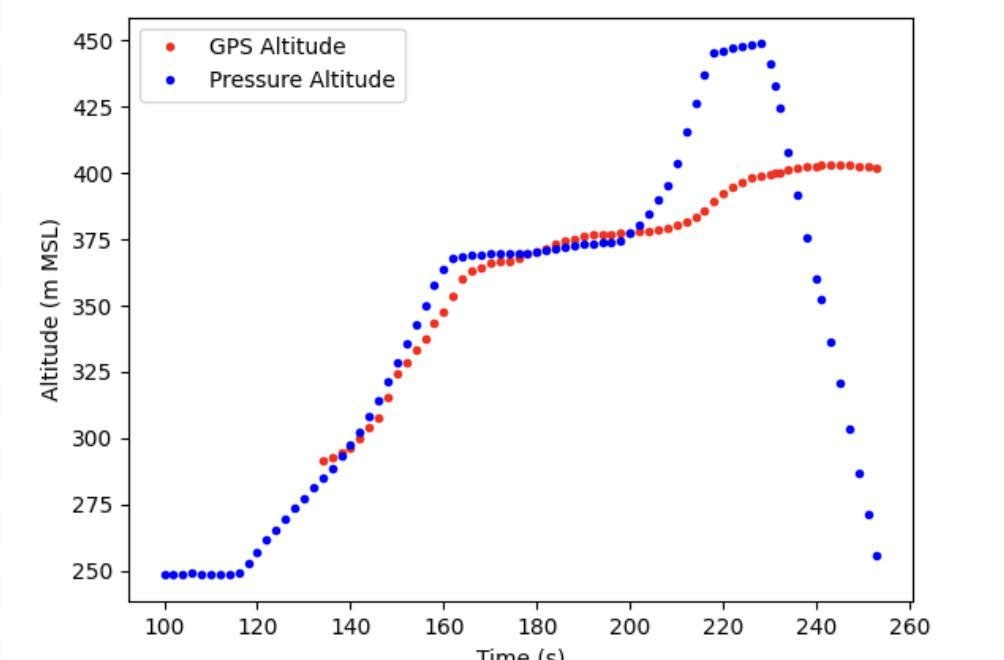
Pressure altitude reacted faster than GPS altitude, so both sources were used differently in flight interpretation.
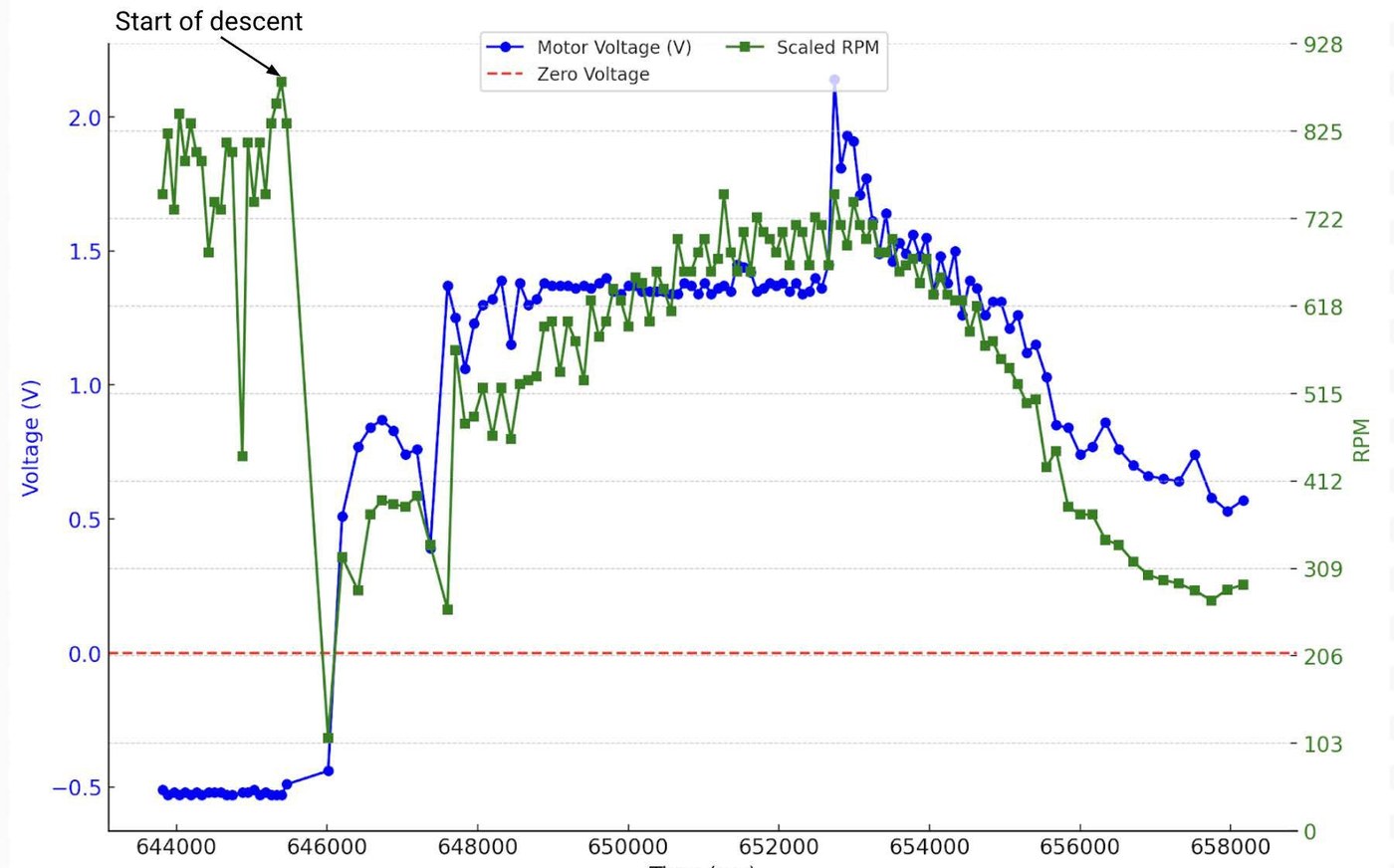
Drone drop data showed the relationship between rotational frequency and motor output voltage.
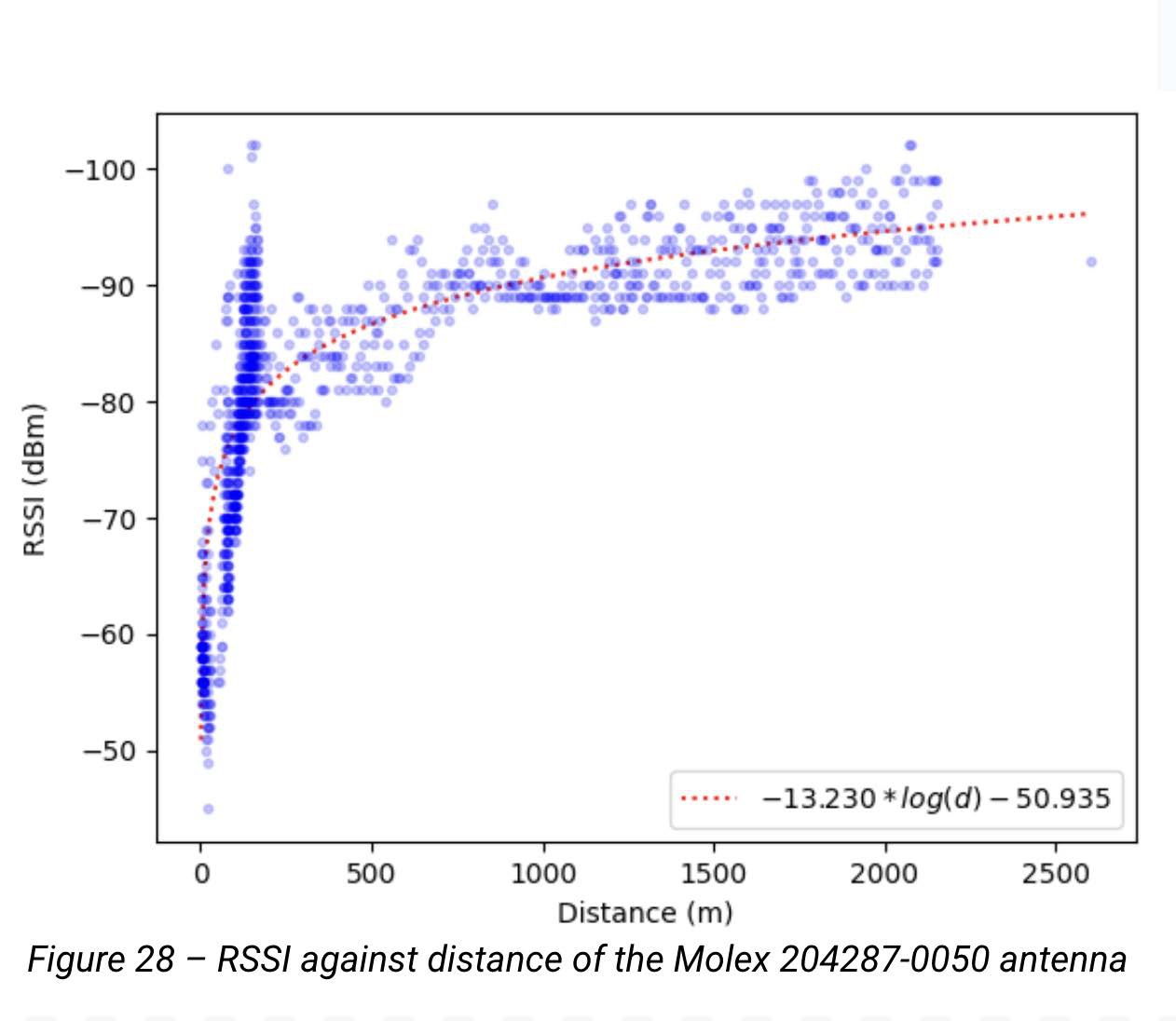
RSSI data was used to check whether the telemetry link remained within an acceptable signal margin.
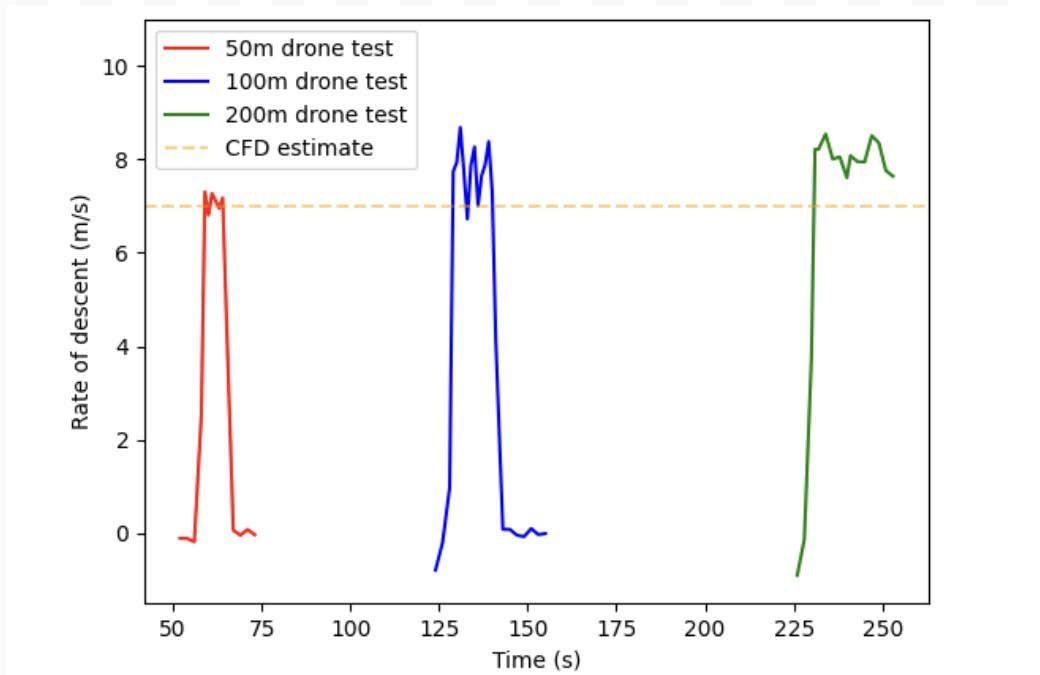
Drop tests measured descent behaviour and helped validate the parachute sizing.
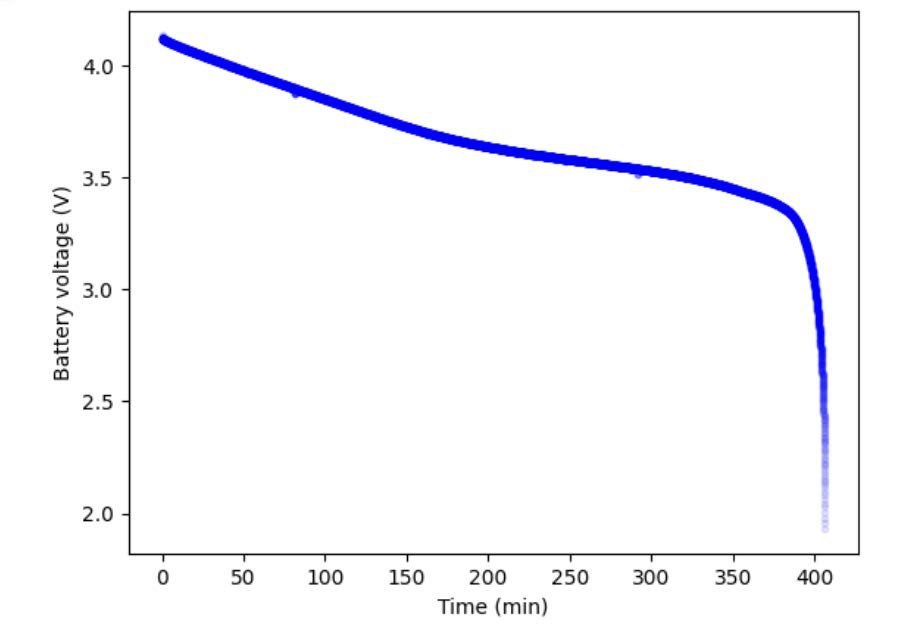
Battery testing compared measured runtime against the mission estimate.
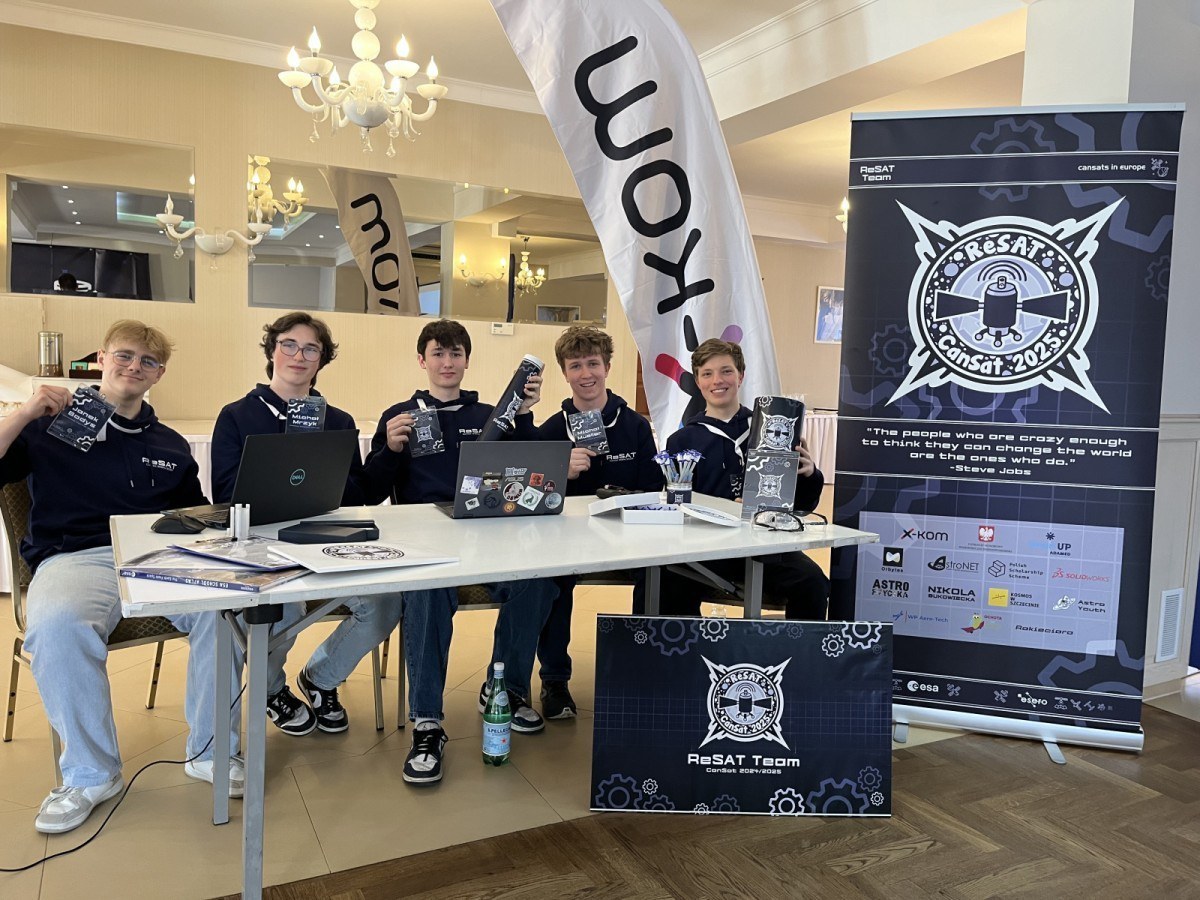
Sponsors, outreach and result.
The project received support from x-kom and the Ochota na Naukę grant, with outreach including school workshops, social media, media appearance and science-popularisation events.